
Summary
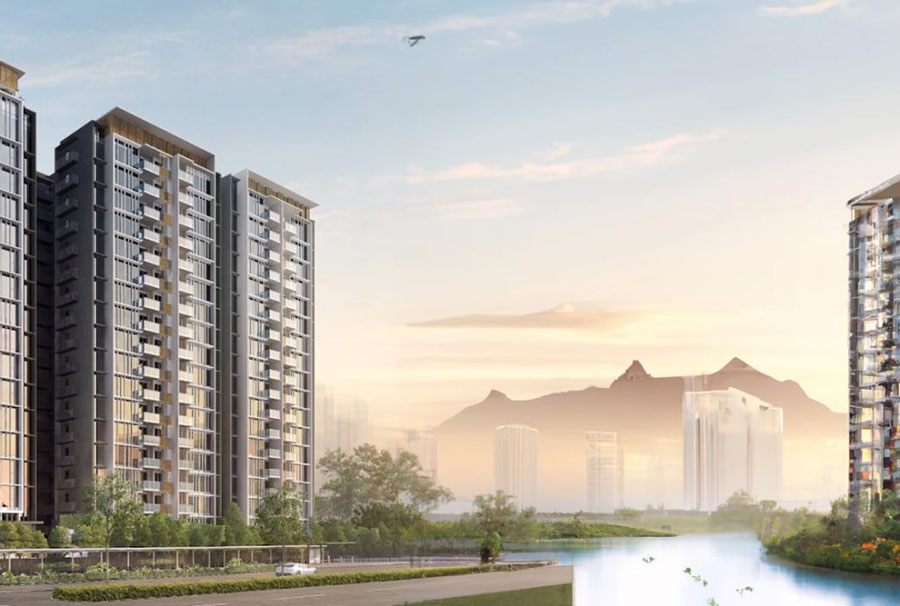
The Myst is a 99-year leasehold private condominium located along Upper Bukit Timah Road in District 23, positioned at the edge of Bukit Panjang with walkable access to Cashew MRT on the Downtown Line. Developed by City Developments Limited (CDL), the project comprises two 24-storey residential blocks with a total of 408 units, placing it firmly in the mid-scale OCR category rather than the mega-development tier seen in other parts of Singapore.
From a market perspective, The Myst has not relied on launch-day momentum or speculative urgency. Instead, its absorption pattern reflects a value-anchored buyer base that is sensitive to entry price, developer quality, and long-term liveability. Buyers evaluating the project tend to frame it against newer OCR and fringe RCR launches, many of which are priced higher due to escalating GLS land costs.
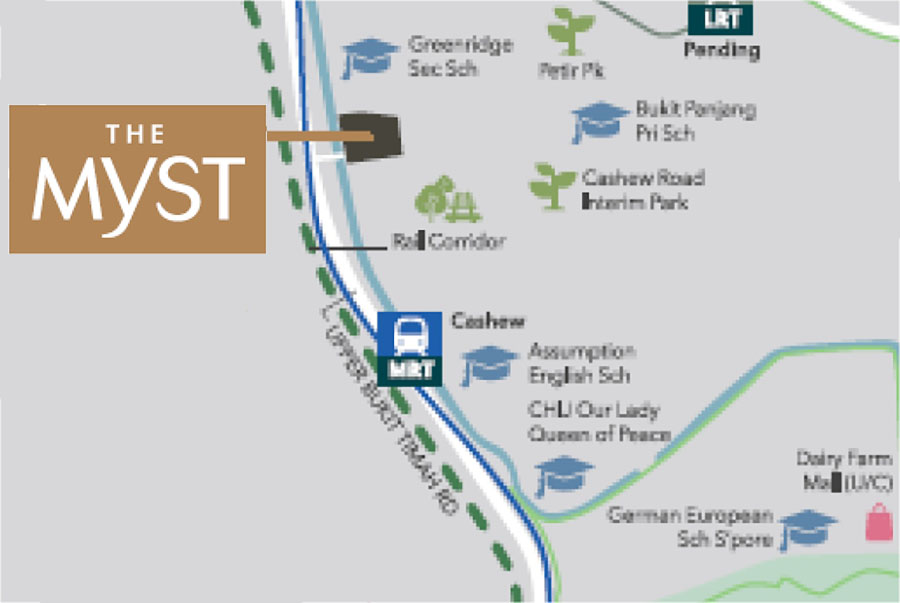
The project’s appeal is largely functional. Walkable Downtown Line access offers direct connectivity to the Bukit Timah school belt and the city, while the site’s orientation and adjacency to the Rail Corridor and nature reserves provide an uncommon greenery backdrop for a road-fronting development. These attributes help offset its more compact site and the unavoidable presence of Upper Bukit Timah Road traffic.
In practice, The Myst illustrates how a Tier-1 developer, disciplined land cost, and MRT walkability can create a pricing “floor” in the OCR market, allowing steady demand even in a competitive new-launch environment—particularly among buyers prioritising value stability and daily usability over headline appreciation narratives.
The Myst is a CDL-developed Upper Bukit Timah condominium positioned around walkable Cashew MRT access, nature adjacency, and pricing discipline rather than integrated convenience, high-density scale, or lifestyle-led positioning.
Explore the Full The Myst Analysis
This article is part of the full The Myst cluster:
- The Myst Price Guide – pricing structure, market positioning, and buyer entry analysis
- The Myst Floor Plan Analysis – layout efficiency, unit mix, and stack considerations
- The Myst Showflat Guide – viewing strategy, location context, and buyer evaluation framework
Together, these articles provide a structured analysis of the project’s positioning, pricing framework, layout strategy, and viewing considerations.ut strategy, and viewing considerations.
If you’re considering this project, you might want to check how it actually compares and what most buyers tend to overlook — before deciding.
Key details (at a glance)
99-year leasehold | 408 units | Private residential
Located at Upper Bukit Timah Road | Walk to Cashew MRT (DTL)
Estimated TOP 2029 | District 23 (OCR / Bukit Panjang)
Project Factsheet
| Item | Details |
|---|---|
| Official Project Name | The Myst |
| Address | 800 Upper Bukit Timah Road |
| District | District 23 |
| Planning Area | Bukit Panjang |
| Region (NLR) | OCR |
| Tenure | 99 years commencing from 11 May 2023 |
| Site Type | Private treaty acquisition (former Tan Chong industrial land) |
| Developer | City Developments Limited (CDL) |
| Development Type | Private residential |
| Site Area | Approx. 16,620 sqm |
| Plot Ratio | 2.1 |
| Residential Units | 408 |
| Building Height | Two blocks of 24 storeys |
| Nearest MRT | Cashew MRT (Downtown Line) – walk |
| Launch Status | Launched |
| Historical Launch Context | 110 units sold (27%) over opening weekend |
| Estimated TOP | 2029 |
Location Context: MRT Walkability Anchored by Nature
The Myst’s location along Upper Bukit Timah Road places it within a transitional zone between established private housing and the greener Bukit Timah and Rail Corridor belt. While the road frontage introduces traffic noise considerations, it also provides direct vehicular access without navigating deep residential enclaves.
The defining advantage is walkable access to Cashew MRT on the Downtown Line. This creates a predictable, rail-based commute to the city and the Bukit Timah education corridor, reducing reliance on feeder buses. For OCR buyers, this level of connectivity is not common and materially alters how the project is evaluated against peers.
Beyond transport, the surrounding context leans residential and low-rise, with greenery views available from selected stacks. These aspects contribute to lifestyle appeal but do not transform the project into a “quiet sanctuary”; rather, they provide balance within an urban-nature edge condition.
Project Positioning: What The Myst Is — and Is Not
The Myst is deliberately positioned as a value-defensive OCR project, not a statement development. Its relatively compact site and two-block configuration contrast with older, sprawling Bukit Panjang condominiums, but also allow for a more contemporary layout and facilities standard.
What it is:
A mid-scale OCR private condominium with MRT walkability
A CDL-built project emphasising build quality and resale confidence
A pragmatic option for buyers sensitive to pricing escalation elsewhere
What it is not:
An integrated development with doorstep retail
A low-density or resort-style condominium
A short-term appreciation play driven by scarcity narratives
Understanding this distinction is critical to setting realistic expectations.
Scale, Density and Facilities Trade-offs
With 408 units, The Myst sits between boutique developments and mega-projects. This scale allows for meaningful communal facilities without the extreme density pressures seen in 800- to 1,000-unit developments, but it also means the site footprint feels tighter than older Bukit Panjang estates.
Facilities are designed to be functional rather than expansive, aligning with the project’s value-driven positioning. Buyers moving from larger, older developments may perceive this as a compromise, while those upgrading from HDB or smaller condos may find the balance appropriate.
Amenities and Facilities Overview
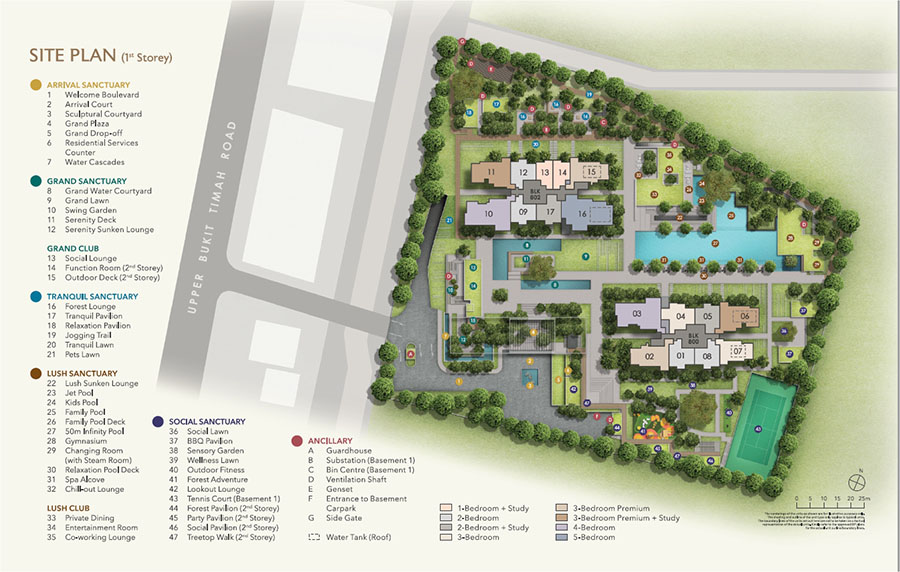
The Myst provides a full set of condominium facilities designed around everyday usability rather than resort-style scale or visual spectacle.
Key facility components include:
- 50-metre swimming pool
- Gymnasium and fitness spaces
- Function room and social lounge
- Landscaped gardens and outdoor relaxation areas
- Co-working and communal zones
The facility planning reflects a mid-scale development approach, where amenities are sufficient for resident use without the expansive zoning seen in larger mega-projects.
For buyers, this means:
- practical day-to-day usability
- manageable density within shared spaces
- less emphasis on destination-style facilities
However, it also means:
- less variety compared to larger developments
- limited “resort” experience
- facilities designed more for function than lifestyle identity
This aligns with The Myst’s overall positioning as a use-driven, value-defensive OCR project rather than a lifestyle-led development.
Buyer Suitability: Who The Myst Fits Best
The Myst most strongly aligns with buyers who prioritise price discipline, MRT access, and developer reliability. This includes HDB upgraders from Bukit Panjang, Hillview, and Choa Chu Kang who want to remain within a familiar geography while stepping into a modern private development.
It is also relevant for buyers targeting the Downtown Line for school or work access, particularly those who value predictable commuting over proximity to large malls. Conversely, buyers seeking integrated convenience, absolute quietness, or prestige-driven capital upside may find the trade-offs harder to justify.
Buyers comparing The Myst against other upcoming launches may find it helpful to frame their decision using the New Launch Condo Guide, which outlines how pricing logic, buyer intent, and holding horizon differ across project types.
Takeaway
The Myst succeeds not by standing out dramatically, but by avoiding the pitfalls that often undermine OCR projects—overpricing, weak connectivity, or unproven developers. Its steady absorption reflects a buyer pool that values CDL’s execution track record and MRT walkability as anchors of downside protection. For buyers entering with realistic expectations and a medium-to-long holding horizon, The Myst functions as a disciplined, use-centric housing choice rather than a speculative bet.
If you’re seriously considering this project, it’s worth checking how it actually compares and what most buyers tend to overlook — before deciding.
FAQs (Decision-Stage)
1) Is The Myst considered good value compared to newer OCR launches?
Relative to newer OCR projects launched after higher GLS land costs, The Myst benefits from a more restrained entry benchmark. Buyers often interpret this as downside protection rather than upside potential. Value here is defined by stability, not discounting. It is better understood as a defensive entry rather than a bargain.
2) How important is walkable access to Cashew MRT?
Walkable MRT access materially improves daily usability and resale liquidity in the OCR context. It reduces dependence on feeder transport and anchors demand across different market cycles. This is a structural advantage rather than a marketing feature. Over time, this tends to support more consistent buyer interest.
3) Does Upper Bukit Timah Road noise significantly affect liveability?
Road-facing stacks are exposed to traffic noise, particularly at lower floors. Buyers sensitive to this should prioritise higher floors or inward-facing stacks where possible. Noise is a real, permanent condition rather than a temporary issue. Proper unit selection is therefore critical.
4) How does CDL’s involvement influence buyer confidence?
CDL’s track record provides reassurance on build quality, estate management, and long-term maintenance. This tends to support resale confidence, especially among conservative buyers. Developer pedigree matters more in OCR projects where differentiation is less obvious. It reduces perceived execution risk.
5) Is the project too small compared to older Bukit Panjang condos?
The Myst is more compact than legacy developments, which affects spacing and facility scale. However, it compensates with modern layouts and updated living standards. Suitability depends on what buyers are transitioning from. Expectations should be adjusted accordingly.
6) Who is least suited for The Myst?
Buyers seeking integrated retail convenience, resort-style facilities, or strong lifestyle identity may find the project limiting. It is also less suitable for those prioritising short-term capital gains. The project requires alignment with a practical, long-term holding mindset. Misalignment leads to dissatisfaction.
7) Will future supply in Bukit Panjang pressure prices?
Ongoing GLS supply in nearby areas can cap aggressive price growth. However, MRT proximity helps The Myst maintain baseline demand. Competition moderates upside but does not negate usability.
8) What is the most common buyer mistake with The Myst?
The most common mistake is benchmarking it against premium districts or integrated developments. The Myst should be evaluated as a disciplined OCR project with MRT access. Once framed correctly, its strengths and limitations become clearer. Misframing leads to poor decisions.
Pricing Logic, Planning Context, and Market Absorption
Pricing Logic: Why The Myst Establishes a “Value Floor” in District 23
The Myst’s pricing behaviour reflects disciplined land acquisition rather than speculative market positioning. Unlike newer OCR launches influenced by elevated Government Land Sales benchmarks, The Myst entered the market with a comparatively lower embedded land cost. This has allowed pricing to remain anchored even as broader OCR expectations have moved upward.
Instead of exhibiting rapid price escalation, transaction behaviour clusters within a defined and defensible band. Buyer resistance becomes more pronounced as pricing approaches the upper psychological threshold for District 23, but this resistance manifests as longer decision cycles rather than outright rejection. This indicates calibration, not disengagement.
Crucially, The Myst is not positioned as a growth-led or appreciation-driven project. Its pricing logic is defensive in nature, prioritising downside protection, liveability, and relative affordability within an increasingly cost-pressured OCR environment. This framing explains both the steady absorption pattern and the absence of speculative churn.
Comparison Context: Functional Differentiation Without Integration
Buyers frequently compare The Myst with nearby developments that emphasise deeper nature immersion or integrated retail convenience. However, these alternatives often trade MRT walkability for quieter surroundings or mall adjacency. In practice, buyers do not treat them as direct substitutes but as distinct lifestyle choices.
The Myst differentiates itself through the combination of walkable Downtown Line access and Tier-1 developer pedigree. While it lacks doorstep retail integration, the ability to rely on rail connectivity rather than feeder transport reshapes daily routines and long-term usability. This functional advantage helps explain why buyers continue to accept its trade-offs.
From a decision-stage perspective, the project competes less on headline features and more on daily efficiency. This places it in a narrower but more stable demand lane, particularly among owner-occupiers who value predictability over novelty.
Planning Context: Nature Adjacency Without Speculative Dependency
The surrounding planning framework reinforces The Myst’s position as an urban-nature edge development rather than a secluded enclave. Proximity to the Rail Corridor and Bukit Timah green buffers enhances lifestyle appeal but does not eliminate the realities of arterial road frontage or urban density.
This balance is important because it avoids over-reliance on transformative future narratives. Buyers are not purchasing on the assumption of dramatic precinct reinvention. Instead, they are buying into an already functional environment with incremental improvements over time.
From a planning-risk perspective, this reduces volatility. Demand is supported by present-day usability rather than deferred promises, which contributes to expectation alignment and more stable market behaviour across cycles.
Buyer Segmentation, Exit Dynamics, and Structural Risks
Buyer Segmentation: Who Is Driving Demand
Demand at The Myst is primarily driven by local HDB upgraders and pragmatic owner-occupiers. These buyers prioritise affordability relative to newer launches, MRT accessibility, and developer reliability. Holding horizons are typically longer, with lower sensitivity to short-term price fluctuations.
Secondary demand comes from families seeking access to the Downtown Line school belt without paying Bukit Timah or CCR premiums. Investor participation exists but is generally yield-aware rather than appreciation-led, with rental assumptions grounded in transport convenience rather than scarcity narratives.
This buyer mix explains the project’s steady absorption profile. The absence of a dominant speculative cohort reduces volatility but also caps the likelihood of rapid price acceleration.
Exit and Liquidity: Predictable, Not Exponential
Liquidity at The Myst is supported by its mid-scale unit count and MRT proximity, which together ensure a consistent pool of future buyers and tenants. However, exit dynamics are unlikely to be dramatic. Price movement is more likely to track income growth, replacement costs, and broader OCR benchmarks rather than sentiment-driven spikes.
Units with clearer internal differentiation—such as quieter orientations, higher floors, or reduced road exposure—are expected to transact more smoothly in the resale market. Conversely, homogeneous stacks facing similar conditions may encounter tighter competition when multiple listings surface simultaneously.
This reinforces the importance of entry discipline and unit selection. The Myst rewards buyers who prioritise long-term usability and realistic exit expectations over short-term capital narratives.
Structural Constraints and Risk Framing
The project’s linear site configuration and road adjacency introduce permanent conditions that buyers must price in. Traffic noise and access concentration are structural, not transitional, and will continue to influence buyer perception over time.
That said, these constraints are well understood and largely priced into current transactions. The principal risk is not structural weakness but expectation mismatch—particularly among buyers projecting outsized appreciation in an OCR context.
For buyers aligned with the project’s functional, defensive positioning, these risks are manageable. For those seeking aggressive upside, the constraints become more pronounced.
FAQs
FAQs (Deep Analysis & Decision Stage)
1. What is the PSF of River Green compared to nearby CCR projects?
River Green’s psf is typically benchmarked against newer CCR launches rather than older freehold developments. While it may appear high relative to suburban projects, it reflects its MRT integration and River Valley location. Buyers should compare it against similar integrated or near-MRT CCR projects. PSF alone is less meaningful than total quantum and positioning.
2. Is River Green overpriced for a 99-year leasehold condo in District 9?
River Green is not positioned as a value-discount play but as a connectivity-driven CCR project. Pricing reflects MRT integration rather than tenure. Buyers are effectively trading freehold status for accessibility and liquidity. Whether it is “overpriced” depends on how much weight is placed on MRT convenience.
3. Will River Green face oversupply risk in River Valley?
River Valley and the broader CCR will continue to see new supply over time. This can moderate price growth, especially for similar unit types. However, MRT-integrated projects tend to retain stronger baseline demand. Oversupply risk affects upside more than downside.
4. Is River Green better than freehold condos in District 9?
River Green and freehold District 9 condos serve different buyer priorities. Freehold projects appeal to legacy ownership and long-term holding, while River Green focuses on convenience and liquidity. Buyers must decide between tenure and usability. It is not a direct like-for-like comparison.
5. What type of buyers typically purchase River Green?
Buyers are typically investors, professionals, and smaller households prioritising MRT access and central location. The project also attracts buyers focused on rental demand and exit liquidity. Larger families form a smaller segment due to layout sizes. Buyer profile is skewed toward practicality.
6. How will River Green perform after TOP?
Post-TOP performance is likely to be stable rather than explosive. Rental demand should be supported by MRT connectivity and central location. Price movement will depend on broader CCR conditions and supply. It behaves more as a defensive asset than a growth-driven one.
7. Is River Green suitable for rental yield or capital appreciation?
River Green leans more toward rental resilience than aggressive capital appreciation. MRT integration supports tenant demand, particularly for smaller units. However, price entry levels may limit yield compression. It suits investors prioritising stability over high returns.
8. Will smaller units at River Green be easier to exit?
Smaller units generally have broader demand due to lower quantum and rental appeal. This typically supports faster resale and leasing. Larger units face a narrower buyer pool in CCR projects. Liquidity is therefore uneven across unit types.
9. How important is stack selection at River Green?
Stack selection affects noise exposure, views, and overall liveability. Not all units perform equally even within the same development. Buyers should consider orientation, proximity to roads, and internal facing. These factors influence both stay experience and resale demand.
10. Will MRT integration always support River Green’s value?
MRT integration is a strong structural advantage that supports long-term demand. However, it does not guarantee price growth. Market conditions and supply still influence performance. It provides downside support rather than upside certainty.
11. Is River Green suitable for long-term holding?
River Green is generally suited for medium to long-term holding rather than short-term flipping. Its value proposition is based on stability and usability. Buyers entering with longer horizons tend to align better with its performance. Short-term expectations may lead to disappointment.
12. How does River Green compare with other MRT-integrated condos in Singapore?
River Green competes within a niche segment of MRT-integrated developments. Compared to others, it is positioned within CCR rather than suburban regions. This affects pricing, tenant profile, and demand dynamics. Buyers should compare within the same integration category.
13. What are the exit risks for River Green buyers?
Exit risks include competition from nearby CCR launches and similar unit types. Homogeneous layouts may create resale competition. Buyers entering at higher prices may face limited upside. Risk is largely tied to entry price and unit selection.
14. Will River Green attract tenants easily?
River Green is likely to attract tenants due to its MRT connectivity and central location. Smaller units are particularly appealing to working professionals. However, rental competition within CCR remains a factor. Demand is consistent but not exclusive.
15. Is River Green more suitable for singles, couples, or families?
The project is more aligned with singles, couples, and smaller households due to its compact layouts. Larger families may find space constraints limiting. Buyer suitability depends on lifestyle needs and space expectations. It is not a family-first development.
16. What is the biggest mistake buyers make when evaluating River Green?
The biggest mistake is comparing it directly with freehold or larger-format developments. River Green should be assessed based on connectivity, liquidity, and usability. Misalignment in expectations leads to poor decisions. Proper framing is criti
If you prefer a more structured walkthrough, you can leave your details below and we’ll follow up with you.