
Summary
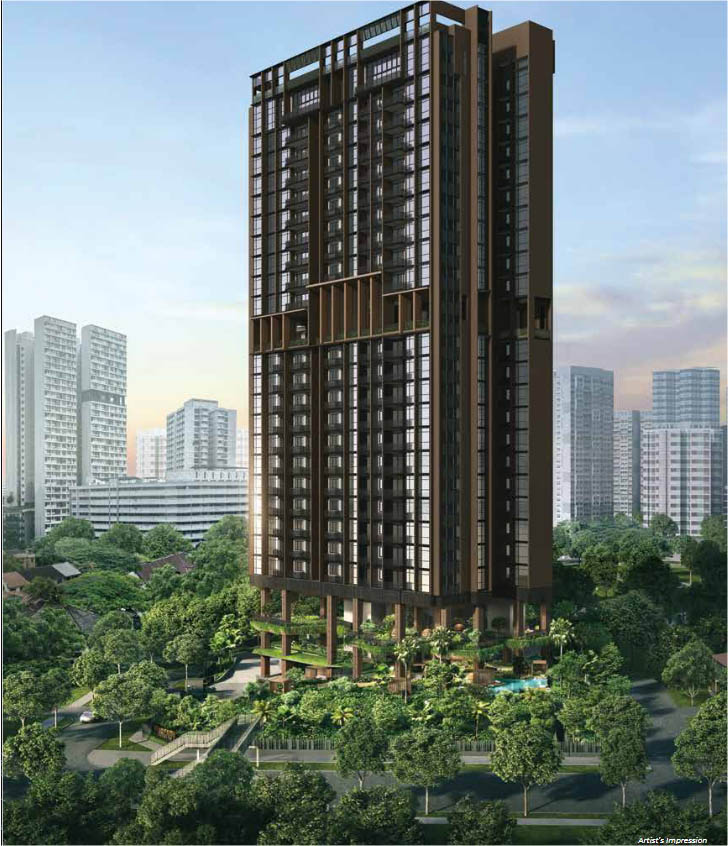
The Arcady at Boon Keng is a freehold, city-fringe private condominium located at Saint Barnabas Lane in District 12, positioned between the Boon Keng MRT corridor and the Serangoon Road arterial. It is primarily suited for buyers who value freehold tenure, MRT-led convenience, and school proximity, and who are willing to accept urban noise, surrounding HDB density, and boutique-scale facilities as trade-offs. Rather than competing on resort-style living or scale, The Arcady functions as a defensive, long-hold asset anchored by tenure and location logic.
The Arcady at Boon Keng is best evaluated as a freehold, city-fringe condominium designed for buyers who prioritise tenure security, MRT-led commute efficiency, and school proximity over tranquillity, views, or lifestyle-led amenities. Located at Saint Barnabas Lane in District 12, within walking distance of Boon Keng MRT (NE9) and within 1km of Hong Wen Primary School, the project’s appeal is functional rather than aspirational. Its pricing and resale behaviour are anchored by freehold tenure acting as long-term downside protection, while urban trade-offs such as traffic noise, surrounding HDB density, and boutique-scale facilities naturally limit short-term momentum. Buyers considering The Arcady should assess it through holding discipline, daily utility, and alignment with its compromises, rather than expectations of resort-style living or rapid capital appreciation.
For buyers assessing whether The Arcady at Boon Keng aligns with their financing comfort, holding horizon, and exit assumptions, a structured project breakdown covering entry positioning, pricing logic, stack considerations, and buyer suitability may provide additional clarity before arranging any viewing.
Key details (at a glance):
Freehold | ~172 units | D12 / RCR | ~5–6 min walk to Boon Keng MRT (NE9) | Est. TOP Dec 2028 | 1km to Hong Wen Primary School
Project Factsheet
| Item | Details |
|---|---|
| Project Name | The Arcady at Boon Keng |
| Address | 2 Saint Barnabas Lane |
| District / Region | District 12 / Rest of Central Region (RCR) |
| Tenure | Freehold |
| Developer | KSH Holdings (49%) with H10 Holdings (36%) & SLB Development (15%) |
| Site Type | En-bloc (Former Euro-Asia Apartments) |
| Development | 1 block, 24 storeys |
| Site Area | ~56,476 sq ft |
| Plot Ratio | 2.8 |
| Total Units | 172 |
| Unit Mix | 1+Study to Penthouse |
| Estimated TOP | December 2028 |
The Arcady at Boon Keng is a pragmatic freehold city-fringe home designed for buyers who prioritise tenure security, MRT convenience, and school access over serenity, views, or resort-style facilities.
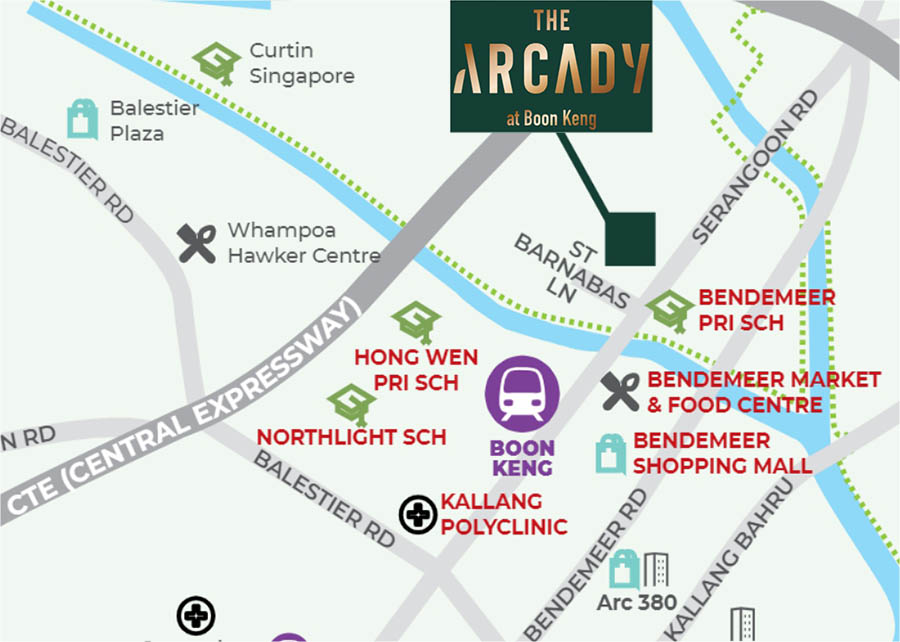
Location Context: Boon Keng as a Lived-In City-Fringe, Not a Curated Lifestyle Zone
Boon Keng is not an emerging lifestyle precinct, and The Arcady does not pretend otherwise. The location sits within a fully matured urban fabric, where older HDB blocks, arterial roads, schools, food centres, and transport infrastructure coexist with little buffer space.
The defining locational advantage is walkable access to Boon Keng MRT (NE9), placing residents within roughly three stops of Dhoby Ghaut and within fast reach of Novena, the CBD, and Orchard via interchanges. For working professionals, this translates into predictable commute times rather than aspirational proximity.
Daily conveniences are abundant but external to the project. Markets, neighbourhood shops, and coffee options are plentiful in the Bendemeer–Whampoa belt, yet residents must step outside the gate for them. This reinforces The Arcady’s identity as an urban residential block, not a self-contained enclave.
Parents also evaluate this location differently. Being within 1km of Hong Wen Primary School (and near St Andrew’s Junior) materially shapes buying decisions, particularly for 3- and 4-bedroom units. For this group, the address functions as education access insurance, not a lifestyle statement.
What The Arcady at Boon Keng Is — and Is Not
What It Is
A freehold RCR project priced closer to leasehold peers than to prime freehold enclaves
A city-edge residence prioritising commute efficiency over tranquillity
A long-horizon asset where tenure acts as downside protection
A development designed for functionality and practicality, not visual drama
What It Is Not
Not a quiet, low-density sanctuary
Not a mega-project with extensive facilities or internal retail
Not a prestige-led address competing with CCR or riverfront developments
Not a short-term trading play driven by launch momentum
This distinction matters. Buyers who evaluate The Arcady using the same yardsticks as integrated or resort-style projects will likely be disappointed. Buyers who evaluate it as a freehold utility asset tend to be more satisfied.
Amenities Around The Arcady at Boon Keng
Amenities are plentiful but not curated. This is a lived-in neighbourhood with genuine daily utility:
Transport: Boon Keng MRT (NE9) within walking distance; extensive bus services along Serangoon Road
Food: Bendemeer and Whampoa food centres, neighbourhood coffee shops, and late-night options
Retail: City Square Mall, Aperia, Shaw Plaza within short travel distance
Education: Dense cluster of primary and secondary schools
Recreation: Kallang Park Connector access improves gradually over time
The appeal lies in availability and familiarity, not polish.
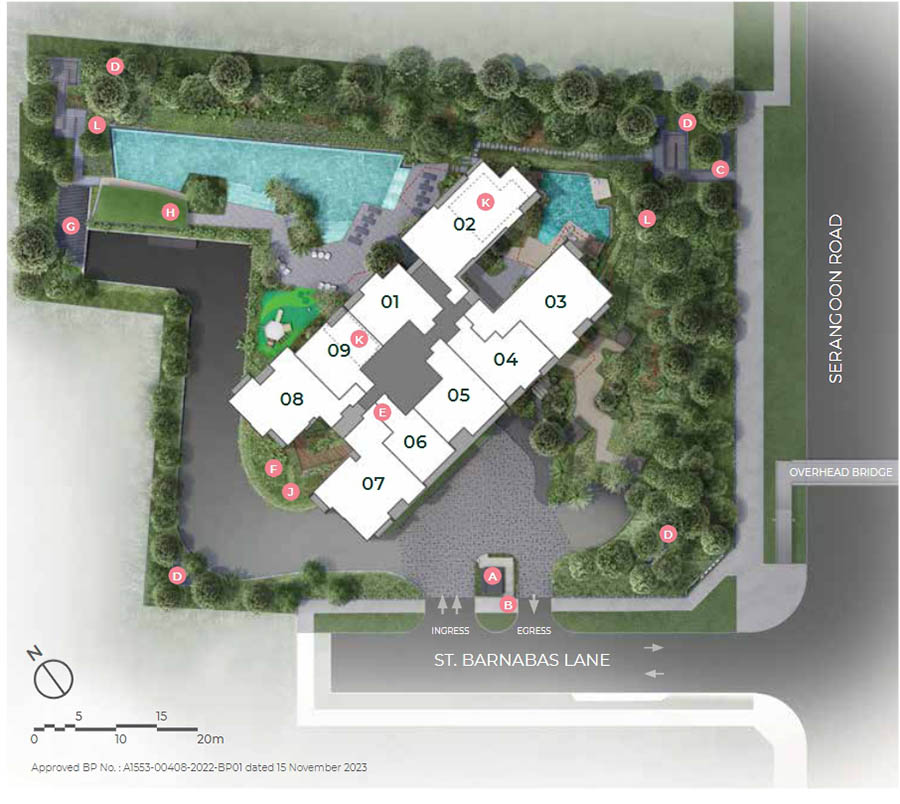
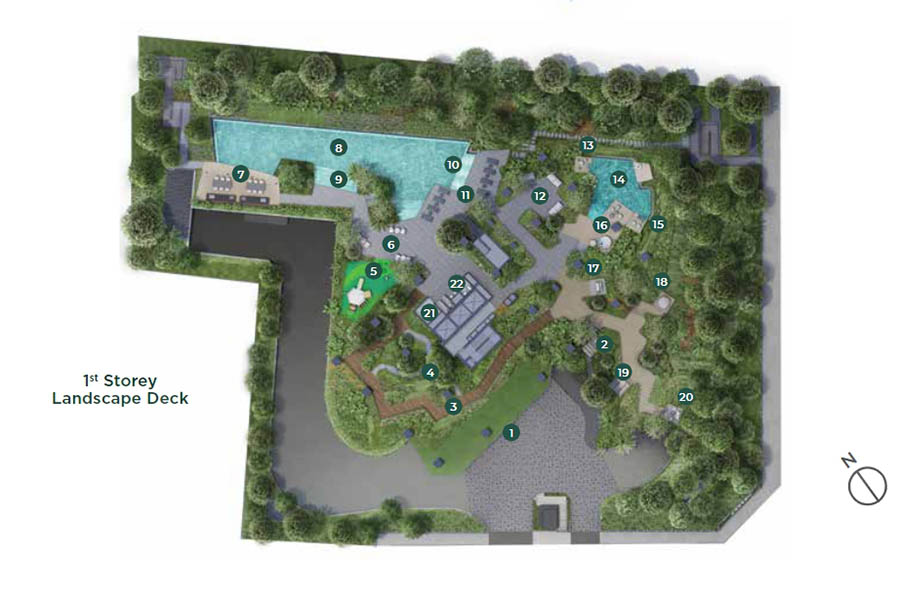
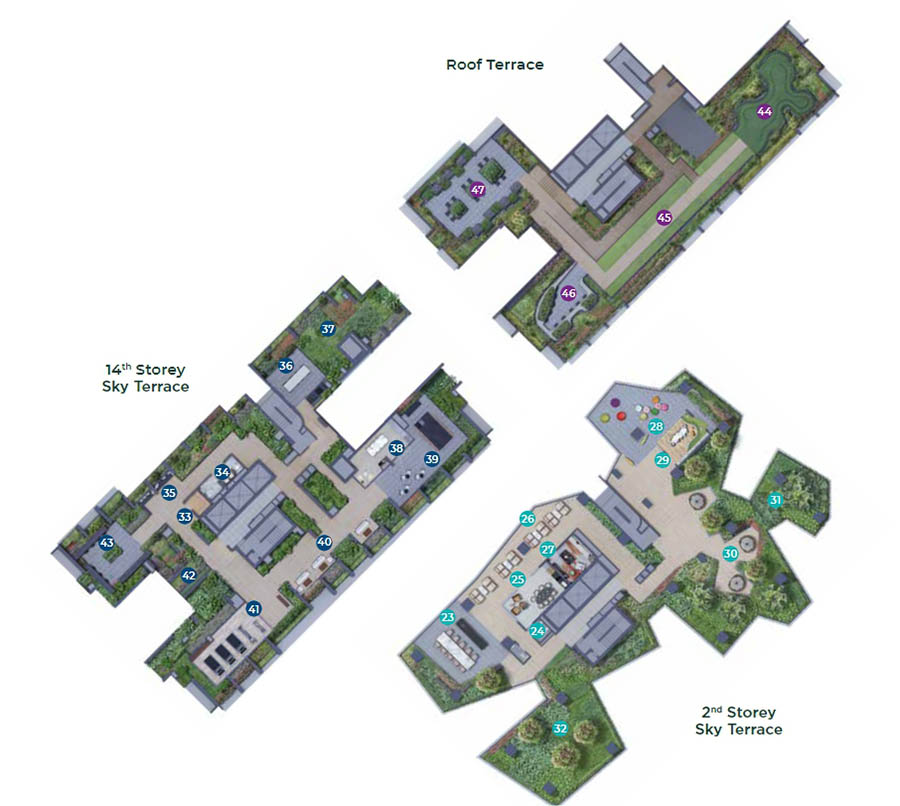
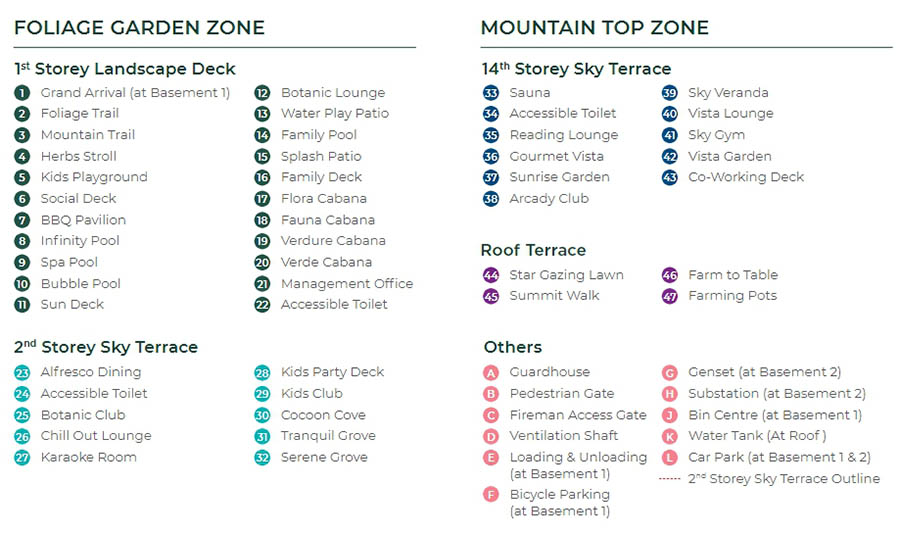
Facilities: Compact, Functional, and Scale-Limited
The Arcady’s facilities reflect its small land plot and boutique unit count. Expectations should be calibrated accordingly.
Buyer Suitability: Who Tends to Be Satisfied — and Who Should Exit Early
Buyers Most Aligned
1) Education-First Families
Parents prioritising Hong Wen Primary School access often accept noise and density as secondary considerations. Layout efficiency and tenure security matter more than views.
2) City-Edge Professionals
Buyers who value time savings and MRT proximity over serenity — especially those working in Novena, Orchard, or the CBD.
3) Long-Horizon Freehold Investors
Those seeking tenure-anchored capital resilience rather than yield maximisation or quick resale gains.
Buyers Who Should Eliminate Early
Buyers seeking quiet, resort-style living or open vistas
Buyers sensitive to road noise or surrounding HDB proximity
Buyers expecting integrated retail or large-scale facilities
Eliminating early is not a loss; it prevents misalignment.
Buyers who are still weighing The Arcady at Boon Keng against other new launch options may find it useful to step back and compare how tenure, location, pricing behaviour, and buyer profile differ across projects. Our New Launch Condo Guide outlines the structural differences between OCR, RCR, and CCR developments, and explains how freehold versus leasehold dynamics tend to affect long-term holding outcomes.
Pricing Logic (How Pricing Behaves, Not What It Is)
Pricing at The Arcady behaves like a freehold-discounted entry into the city fringe, rather than a premium lifestyle purchase. Buyers are effectively paying for perpetual tenure and location efficiency, not for land size, views, or facilities.
In a 2026 environment where nearby 99-year RCR launches have pushed beyond the high-$2,000 psf range, The Arcady’s pricing has increasingly been interpreted as “freehold at leasehold-like levels.” This reframes buyer psychology: the question shifts from “Is this expensive?” to “What am I paying less for — and what am I getting instead?”
Decision rule:
If tenure security, MRT access, and school proximity matter more than serenity or amenities, the pricing tends to make sense.
If buyers expect peace, views, or lifestyle differentiation, the pricing will feel unjustified.
Takeaway
The Arcady at Boon Keng works best for buyers who value freehold tenure, MRT convenience, and school access — and works poorly for those seeking tranquillity, scale, or resort-style living.
If The Arcady At Boon Keng is on your shortlist and being compared against nearby alternatives, a structured review of capital commitment differences, downside exposure scenarios, liquidity positioning, and realistic exit pool dynamics may help clarify the decision framework before any commitment is made.
FAQs (Decision-Stage)
1) Is The Arcady at Boon Keng mainly an own-stay or investment project?
It is own-stay first, investment second. Most satisfied buyers are those planning to live in the unit or hold it long term, where freehold tenure, MRT proximity, and school access matter more than short-term price movement. Investors do participate, but typically with a 5–10 year holding horizon, not quick resale expectations.
2) Is The Arcady at Boon Keng considered expensive for District 12?
It depends on what buyers are comparing it against. On a pure psf basis, it can look high relative to older resale condos. However, when compared to newer 99-year RCR launches, its pricing behaves more like “freehold at near-leasehold levels.” Buyers are effectively paying less for scale and facilities, and more for tenure and location efficiency.
3) How significant is the noise from Serangoon Road in daily living?
Noise is a real and acknowledged trade-off, especially for stacks facing Serangoon Road. Traffic and bus movement are audible, particularly with windows or balcony doors open. Buyers who are sensitive to urban noise should prioritise stack orientation and higher floors, or consider eliminating the project early.
4) Does the surrounding HDB environment affect liveability?
For lower- to mid-floor units, yes — visual proximity to neighbouring HDB blocks can be noticeable. This does not affect all stacks equally, but buyers expecting open views or visual exclusivity should calibrate expectations. For many families and professionals, layout efficiency and location outweigh this constraint.
5) Are the facilities sufficient for family living?
Facilities are functional but limited due to the small land plot and unit count. There is no resort-scale offering or internal retail. Buyers who value extensive recreational facilities may feel constrained, while buyers who rely more on external neighbourhood amenities generally find the facilities adequate.
6) Why do buyers still choose The Arcady despite these trade-offs?
Because the core value anchors remain intact:
Freehold tenure in a city-fringe location
Walkable MRT access
Strong primary school proximity
Efficient, liveable unit layouts
For buyers prioritising these fundamentals, the compromises are acceptable — and often expected.
7) Who should eliminate The Arcady at Boon Keng early?
Buyers seeking:
Quiet, low-density surroundings
Resort-style facilities
Integrated retail convenience
Short-term speculative upside
Eliminating early prevents mismatch and dissatisfaction later.
8) Is The Arcady at Boon Keng a good choice if I plan to upgrade again later?
It can be, but only with the right expectations. The Arcady tends to perform better as a long-hold or mid-term upgrade asset rather than a quick stepping stone. Buyers who hold through TOP and into the next school cycle or leasehold ageing phase nearby usually see stronger resale interest than those aiming to exit quickly after purchase.
Pricing Logic, URA Planning Intent & Buyer Segmentation
(Hidden behind “Show More”)
Summary
The Arcady at Boon Keng should be assessed as a defensive freehold city-fringe asset, not a lifestyle-led or momentum-driven development. Its pricing behaviour reflects a trade-off between tenure permanence and urban compromises, while its long-term resilience depends more on holding discipline than market timing.
This section evaluates whether the project’s value logic holds up when pricing behaviour, URA planning intent, and real buyer absorption patterns are considered together.
Pricing Logic: What Buyers Are Really Paying For
Pricing at The Arcady behaves less like a classic boutique freehold premium and more like a leasehold-adjacent entry into a permanent location.
Buyers are effectively paying for three structural attributes:
1) Freehold Tenure as Downside Protection
In a 2026 environment where new 99-year RCR launches have pushed well into the high-$2,000 psf range, The Arcady’s freehold status acts as a price floor rather than a speculative catalyst. Buyers are paying to avoid future lease decay, not to chase short-term upside.
2) MRT-Led Time Efficiency
Walkable access to Boon Keng MRT compresses commute time in a way that is hard to replicate elsewhere in District 12. For professionals and families, this convenience has daily utility, not just resale optics.
3) School-Driven Utility
Proximity to Hong Wen Primary School embeds non-financial value into the purchase. Many buyers are not optimising psf — they are securing school access with a freehold asset attached.
What pricing does not reflect:
tranquility or buffer zones
large land plots
extensive facilities
curated lifestyle environments
Understanding this distinction prevents mispricing expectations.
Absolute Quantum vs PSF: The Correct Evaluation Lens
For The Arcady, absolute quantum matters more than headline psf.
Reasons:
Buyer pool skews toward own-stay families and long-term holders
Mortgage servicing and monthly affordability dominate decisions
Larger units hit psychological price ceilings faster
As a result:
Smaller units enjoy broader liquidity
Larger units depend heavily on school-driven or tenure-anchored demand
Price appreciation is steadier, not explosive
Decision rule:
If you prioritise long-term holding comfort and tenure certainty, pricing logic is coherent. If you expect fast psf compression driven by hype or scarcity, expectations should be reset.
Comparative Positioning Within the RCR
Within the Rest of Central Region, The Arcady occupies a non-fashionable but defensible niche:
It does not compete with lifestyle-centric or integrated projects
It does not rely on visual prestige
It competes on permanence, function, and access
This explains why sales tend to be steady rather than dramatic — and why buyers who enter with the right expectations are generally satisfied.
URA Planning Intent: Kallang as a Long-Cycle District
URA’s Draft Master Plan positions Kallang as a long-horizon transformation zone, not a short-term repricing story.
Key characteristics:
gradual residential intensification
improved walkability and river activation
incremental lifestyle uplift over decades
For The Arcady, this means:
environmental improvement over time
upside that accrues slowly
resilience rather than rapid appreciation
Planning intent supports holding logic, not flipping logic.
Buyer Segmentation: Who Absorbs Supply Over Time
1) Education-Driven Families (Primary Demand)
Buy larger units
Tolerant of density and noise
Hold through school cycles
They anchor long-term resale demand.
2) City-Edge Professionals (Secondary Demand)
Value MRT access and time efficiency
Less sensitive to facilities
Support rental and mid-term resale liquidity
3) Tenure-Focused Investors (Selective)
Seek stability over yield maximisation
Comfortable with moderate returns
Reduce downside risk rather than push upside
Least Aligned Buyers
Lifestyle-driven purchasers
Facilities-centric households
Short-term traders
Their absence explains both the project’s pace and durability.
Interim Assessment
The Arcady at Boon Keng is best understood as:
A freehold city-fringe residence designed to age well, not impress early.
Its strengths and limitations are structural, not cosmetic — which is precisely why it remains relevant beyond launch hype.
PART 3 — Exit, Risk Scenarios & Buyer FAQs
(Hidden behind “Show More”)
Summary
The Arcady performs best as a medium- to long-term holding asset. Exit outcomes are shaped by tenure scarcity, school demand, and leasehold ageing nearby, rather than short-term market sentiment.
Exit & Liquidity Behaviour
Short-Term (Pre-TOP to Immediate TOP)
Liquidity exists, but gains are limited. Sellers compete with developer stock and nearby launches. Best suited for portfolio rebalancing, not profit capture.
Mid-Term (Post-TOP, 2030–2035)
This is the strongest exit window. Nearby leasehold projects age, school-driven demand intensifies, and freehold differentiation becomes clearer.
Long-Term (10+ Years)
Boutique freehold plots regain strategic value. En-bloc optionality improves relative to mega-projects, though liquidity becomes more selective.
Risk Scenarios (Stated Plainly)
Noise exposure: Road-facing stacks will always trade at a discount.
Quantum sensitivity: Larger units face thinner buyer pools.
Transformation lag: URA improvements are gradual, not immediate.
These are not flaws — they are conditions that must be priced in.
Pros & Cons Snapshot
Pros
Freehold tenure
MRT walkability
Strong school proximity
Functional layouts
Cons
Traffic noise
Dense surroundings
Limited facilities
Boutique-scale maintenance costs
Frequently Asked Questions (FAQs) — Decision-Stage (16)
1) How is The Arcady at Boon Keng priced relative to nearby projects?
It is priced closer to newer leasehold RCR launches than to prime freehold enclaves, reflecting a trade-off between tenure and lifestyle features.
2) Is The Arcady expensive for its location?
For buyers comparing purely on psf, it may appear so. For buyers comparing tenure and access, pricing often feels justified.
3) What affects pricing the most for this project?
Freehold tenure, MRT proximity, school access, and unit orientation have the biggest influence — more than facilities or views.
4) Does freehold status really matter in the RCR?
Yes, particularly beyond the first holding cycle. Freehold tends to stabilise prices as nearby leasehold stock ages.
5) Is this suitable for first-time private buyers?
Yes, if expectations are realistic and buyers prioritise location and tenure over lifestyle amenities.
6) How strong is rental demand in Boon Keng?
Rental demand is steady, driven by professionals working in the city fringe and Novena corridor.
7) Are maintenance fees high?
They are higher than mega-projects due to scale inefficiency, which is common for boutique freehold developments.
8) Which unit types tend to hold value better?
Smaller and mid-sized units generally enjoy broader liquidity; larger units rely on specific buyer profiles.
9) How does school proximity affect resale?
Being within 1km of Hong Wen Primary School materially strengthens family-driven resale demand.
10) Is noise a permanent issue?
Yes for road-facing units. It can be mitigated by stack selection but not eliminated.
11) How does this compare to newer leasehold launches?
Leasehold projects may offer better facilities, but The Arcady offers tenure permanence at comparable entry levels.
12) Is The Arcady suitable for retirees?
Only if they value convenience over tranquillity. Noise-sensitive retirees may prefer quieter locations.
13) What is a realistic holding period?
Typically 7–12 years or longer, especially to benefit from leasehold ageing nearby.
14) Does the Kallang Master Plan materially change outcomes?
It supports gradual uplift and liveability, not rapid repricing.
15) Is this a hedge against lease decay?
Yes. That is one of its core strategic advantages.
16) Who should avoid this project entirely?
Buyers seeking quiet, resort-style living, large facilities, or short-term flipping opportunities.
If a structured discussion is preferred over WhatsApp, or if detailed floor plans, pricing breakdowns, or showflat arrangements are required, your details may be left below for a follow-up.