
Summary
Arina East Residences is a freehold, low-density redevelopment in District 15 that sits on the city-fringe side of the East Coast story. With just 107 units and proximity to Katong Park MRT (TEL), it offers a practical entry into D15 for buyers priced out of more “prestige-coded” pockets like Meyer and Amber. The trade-off is that its appeal is driven more by access + tenure + efficiency than neighbourhood charm—so expectations matter as much as budget.
This Arina East Residences review assesses pricing logic, buyer fit, and exit liquidity for a small-scale freehold District 15 project where MRT access and tenure matter more than classic East Coast lifestyle pull.
Arina East Residences should be evaluated as a pragmatic, city-fringe freehold alternative within District 15 rather than a prestige-led East Coast lifestyle purchase. With a small scale of 107 units and proximity to Katong Park MRT on the Thomson–East Coast Line, its value proposition is anchored in tenure security, transport convenience, and manageable density, not neighbourhood charm or Meyer/Amber-style exclusivity. Pricing behaviour is driven more by freehold access and MRT adjacency than by lifestyle premium, resulting in selective but steady buyer interest rather than broad emotional appeal. Buyers who approach Arina East as a rational entry into D15—accepting functional surroundings in exchange for connectivity and long-term holding comfort—are more likely to find its positioning coherent than those expecting a classic East Coast ambience.
For buyers assessing whether Arina East Residences aligns with their financing comfort, holding horizon, and exit assumptions, a structured project breakdown covering entry positioning, pricing logic, stack considerations, and buyer suitability may provide additional clarity before arranging any viewing.
Key details (at a glance):
Freehold | 107 units | 6C Tanjong Rhu Road | Katong Park MRT (TEL) nearby | City-fringe D15 entry alternative | Best fit: own-stay + long-horizon hold (not prestige-led Meyer/Amber lifestyle)
Project Factsheet
| Item | Details |
|---|---|
| Official name | Arina East Residences |
| Address | 6C Tanjong Rhu Road |
| District / Region | D15 / RCR (Kallang planning area) |
| Site type | En-bloc redevelopment (former La Ville) |
| Developer | ZACD LV Development Pte. Ltd. |
| Tenure | Freehold |
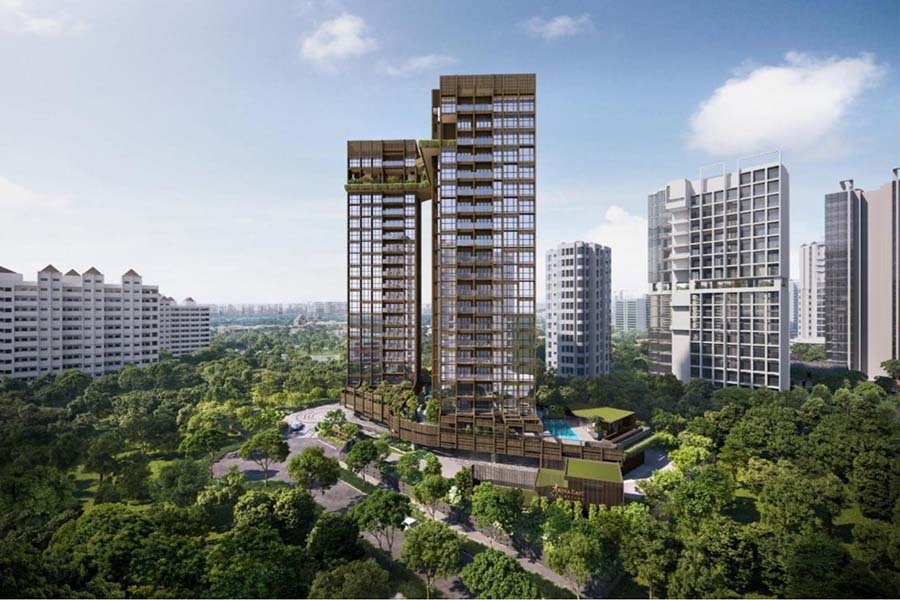
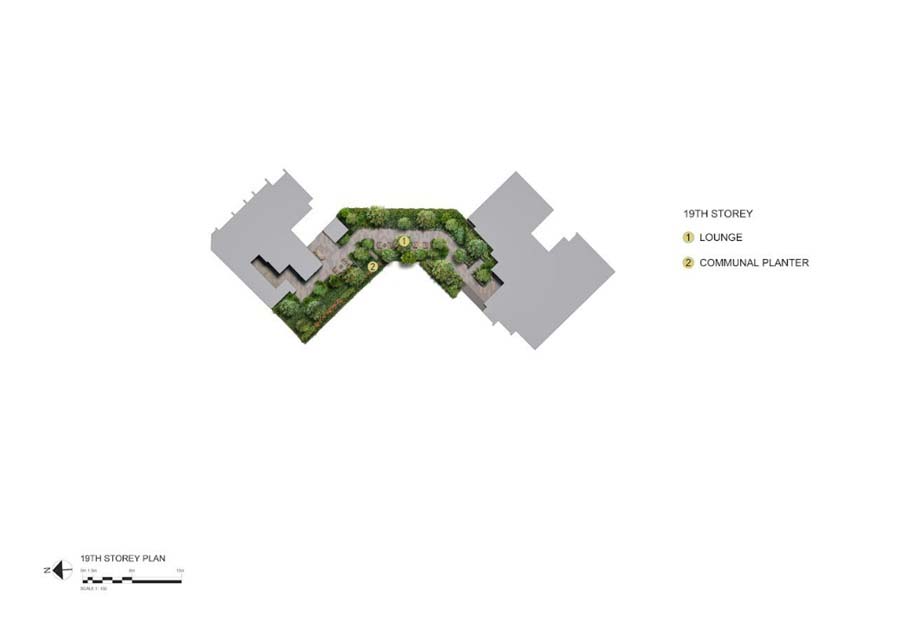
| Development | Two 20-storey towers; corner-facing units; sky terraces linking towers |
| Site area | Approx. 47,012 sq ft (4,368 sqm) |
| Plot ratio | 2.1 |
| Units | 107 |
| Unit mix | 1BR 495 sqft; 2BR 678–861 sqft; 3BR 969–1,195 sqft; 3BR Premium + PL 1,238 sqft; 4BR Premium + PL 1,389–1,615 sqft |
| Launch | 7 June 2025 |
| Estimated TOP | 31 Dec 2028 |
| Pricing positioning (evergreen framing) | Generally positioned around the low-to-mid S$3,000 psf band at launch; market perception anchored to D15 freehold access rather than “prime East Coast prestige”. |
Project positioning: what it is — and what it is not
Arina East Residences works best when you view it as a city-fringe D15 freehold rather than a “classic East Coast lifestyle” purchase.
What Arina East is
A freehold option in District 15 that is easier to enter (quantum-wise) than Meyer/Amber equivalents.
A small-project environment (107 units) that typically attracts buyers who prefer quieter, less “mega-launch” living.
A development whose design logic—corner-facing stacks and tower linkage via sky terraces—leans into ventilation, openness, and efficiency.
What Arina East is not
It is not a lifestyle-led address where the neighbourhood itself does half the selling (like parts of Katong or Marine Parade).
It is not positioned as the most prestigious D15 micro-location; its immediate surroundings read more “functional” than “exclusive.”
It is not a project you buy primarily for nearby retail/dining convenience.
If you want the “Meyer/Amber feeling,” this likely won’t scratch that itch. If you want D15 + freehold + MRT convenience with fewer units, then it starts to make sense.
Location context: strong access, mixed neighbourhood signal
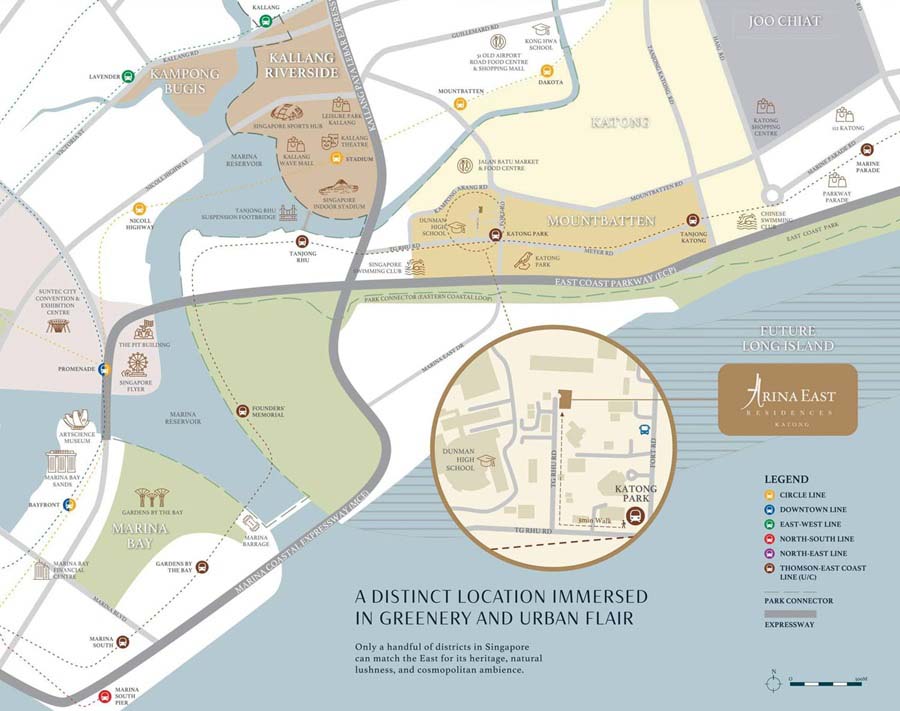
Arina East sits along Tanjong Rhu Road—close enough to the city to feel commuter-efficient, and close enough to waterfront recreation to feel weekend-friendly, but not in the core of the East Coast lifestyle belt.
The locality reality is worth stating plainly: buyers who strongly associate District 15 with Katong charm or Meyer prestige may feel a mismatch here. The immediate area is nearer to public housing pockets and the Mountbatten/Kallang/Geylang edge, which can create hesitation for buyers who are paying for a “D15 label” and expect a certain neighbourhood texture.
At the same time, the project’s strongest location attribute is difficult to ignore: it is one of the D15 options with clearer MRT adjacency via the Thomson-East Coast Line (Katong Park MRT). That changes daily convenience significantly—especially for:
CBD / Marina Bay professionals,
households prioritising public transport access,
buyers who want city-fringe positioning without going fully “Downtown core.”
If you want a broader lens on how projects like this sit on the city-fringe value curve, see Rest of Central Region (RCR) (use this exact anchor text).
Scale and unit mix: low density with a practical spread
With only 107 homes, Arina East is not competing on scale-driven facilities or “mega-development energy.” The advantage is typically lower footfall, quieter common areas, and less internal competition for the same unit type across hundreds of stacks.
The unit mix is also meaningful. It doesn’t read as a one-dimensional investor product:
1BR and smaller 2BRs speak to singles/couples and rental demand.
3BR configurations provide the psychological “own-stay legitimacy” that supports resale stability.
Premium stacks with private lift are a deliberate offer to buyers who want privacy and a more “house-like” experience without leaving the condo format.
In other words, the mix supports both investment and own-stay narratives, but the project will still reward buyers who are clear on why they are buying into this particular micro-location.
Pricing logic: paying for tenure and MRT proximity, not for lifestyle prestige
For an evergreen view, Arina East’s pricing logic is best described as:
“D15 freehold access with MRT adjacency — priced below prime D15 freehold benchmarks, but not discounted enough to feel ‘cheap’.”
That middle positioning is intentional. It does not try to win by being the lowest psf among D15 new launches. It tries to win by offering a different justification:
Freehold tenure (long-hold comfort),
manageable project size (not a mega launch),
city-fringe connectivity (practical daily value).
This also explains why market reaction can be mixed even when the fundamentals look decent. Some buyers shop District 15 emotionally—wanting “that East Coast feel.” Arina East is more rational than romantic. The buyers who respond best are those who see it as an alternative route into the district, not the flagship representation of the district.
Who it suits — and who should avoid
Best suited for
D15-intent buyers who want a freehold entry point but don’t want to pay Meyer/Amber quantum.
Professionals working in the city core who value commutes and line access more than neighbourhood ambience.
Longer-hold investors who want rental durability and a “safe enough” exit narrative rather than aggressive short-term upside.
Less suitable for
Buyers who want the surrounding neighbourhood to feel inherently “premium” the moment they arrive.
Buyers who equate District 15 value mainly with Katong / Marine Parade lifestyle and want that cluster effect.
Short-term investors expecting a clean launch-to-TOP re-rating without meaningful trade-offs.
A good way to self-check fit: if the phrase “D15 but not Meyer/Amber” feels like a compromise, you may keep searching. If it feels like a practical solution, this project becomes far easier to shortlist.
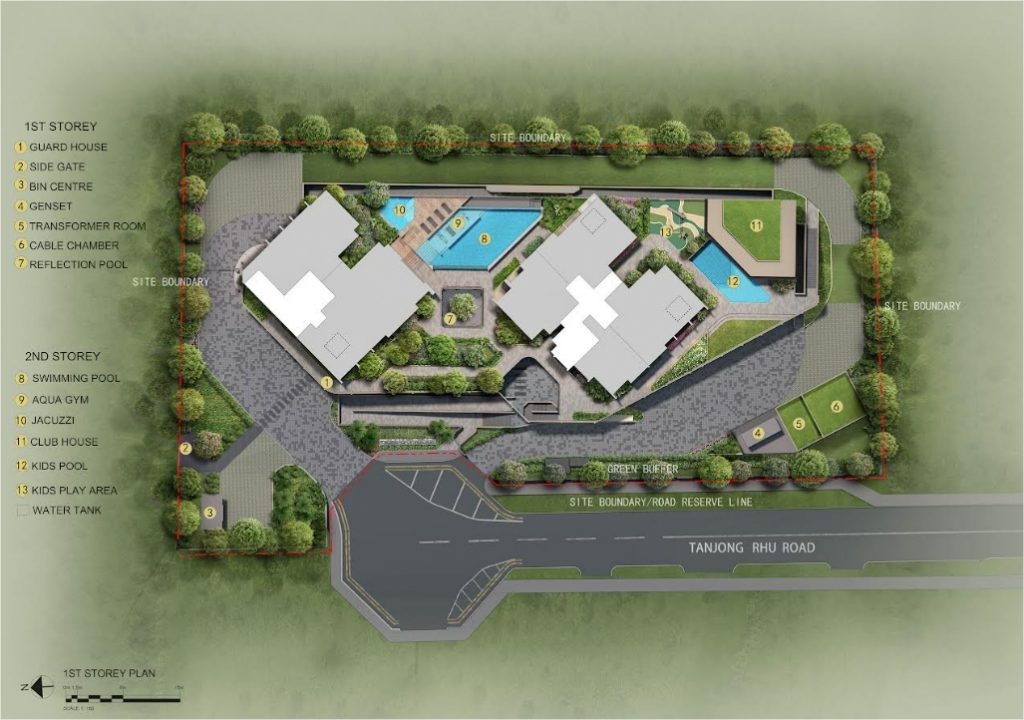
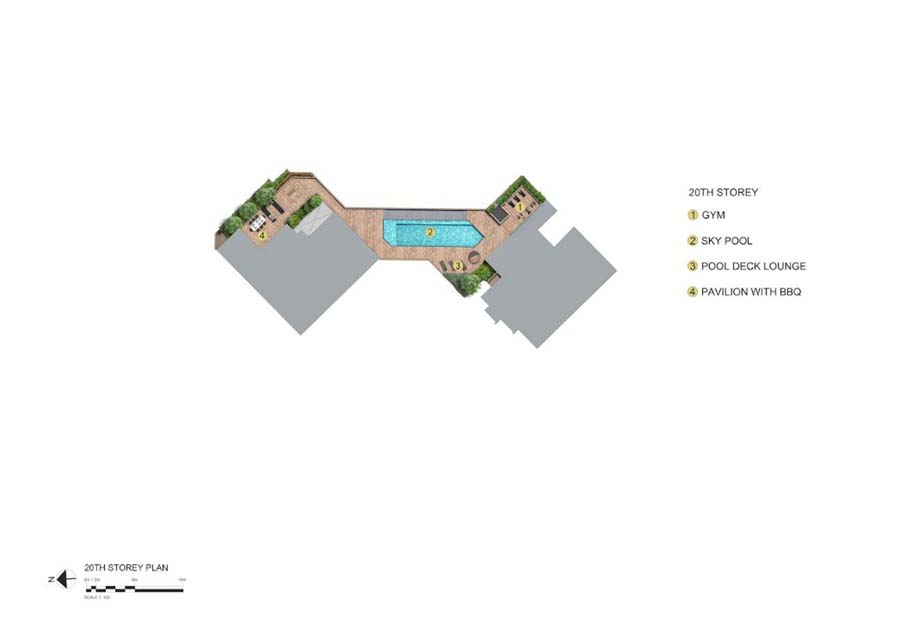
Facilities: what to show, and where to place the plan image
Facilities are rarely the deciding factor for a 107-unit project, but they do matter in one practical way: how “complete” the development feels day-to-day.
Risks and trade-offs (explicit, decision-stage)
Arina East’s trade-offs are not deal-breakers—but they are real.
Micro-location perception risk
Some buyers will always prefer the more prestige-coded D15 pockets (Meyer/Amber/Marine Parade). That can narrow your future buyer pool at exit.Lifestyle convenience gap
It’s not anchored by a strong lifestyle cluster or major mall adjacency. Residents will still travel for the “East Coast weekend” experience.Quantum sensitivity
Freehold helps value retention psychologically, but buyers still compare quantum. If the quantum drifts too close to more prestigious alternatives, the positioning becomes harder to defend.Showflat optics and buyer psychology
A showflat located within an existing leisure complex can feel less “exclusive” than a standalone pavilion. This doesn’t change the asset, but it can affect how buyers feel about the purchase during decision-making.
Exit and liquidity: realistic expectations
The most defensible exit story for Arina East is not “fast appreciation.” It is:
“Freehold D15 city-fringe convenience with rental relevance.”
Likely demand pools include:
City professionals seeking rentability and commute efficiency,
expatriate families who want proximity to East Coast recreation without paying top-tier enclave rents,
local upgrader households moving from OCR into city-fringe territory.
Liquidity is likely to be steady rather than explosive. Freehold status can help during weaker cycles, but the exit premium is still constrained by micro-location perception and competing D15 supply at the time you sell.
Takeaway
Arina East Residences is a pragmatic way to access freehold District 15 with city-fringe convenience—especially for buyers who want the district label and connectivity but don’t require the prestige atmosphere of Meyer or Amber. The project works best when you buy it for what it truly offers: tenure, access, and manageable scale, while accepting that neighbourhood charm is not its primary edge.
If Arina East Residences is on your shortlist and being compared against nearby alternatives, a structured review of capital commitment differences, downside exposure scenarios, liquidity positioning, and realistic exit pool dynamics may help clarify the decision framework before any commitment is made.
FAQs
1. Is Arina East Residences considered a “prime” District 15 address?
It is in D15, but it is better positioned as city-fringe D15 rather than the traditional prestige pockets like Meyer/Amber.
2. Does freehold tenure automatically mean better capital appreciation?
Not automatically. Freehold mainly supports long-hold confidence and value retention, but price performance still depends on entry quantum and buyer demand at exit.
3. Is this more suitable for own-stay or investment?
It can work for both. It tends to suit own-stay buyers who value MRT access and investors with a long-hold mindset more than short-term flippers.
4. How important is MRT proximity for Arina East’s value proposition?
Very. MRT adjacency is one of the clearest differentiators versus other D15 options that rely more on neighbourhood lifestyle pull.
5. What is the main reason buyers hesitate on this project?
The most common hesitation is micro-location perception—it doesn’t feel like “classic East Coast prestige,” even though it is District 15.
6. What type of buyer is most likely to regret buying here?
Buyers who primarily want the Katong/Meyer ambience and expect the neighbourhood itself to carry the emotional value.
7.Will rental demand be relevant here?
It is likely to be relevant due to city-fringe accessibility and the general appeal of East Coast recreation—especially for professionals and certain expatriate profiles.
If a structured discussion is preferred over WhatsApp, or if detailed floor plans, pricing breakdowns, or showflat arrangements are required, your details may be left below for a follow-up.